Professional Water Softener Installation for a Better Home
Water hardness can noticeably influence both home infrastructure and personal health. Many homeowners ignore the necessity of dealing with this issue until it shows as plumbing problems or skin irritations. Professional water softener installation offers a trustworthy solution that boosts appliance efficiency and overall water quality. Understanding the ramifications of hard water and the installation process is important for making informed decisions. What steps should homeowners take to guarantee excellent results?
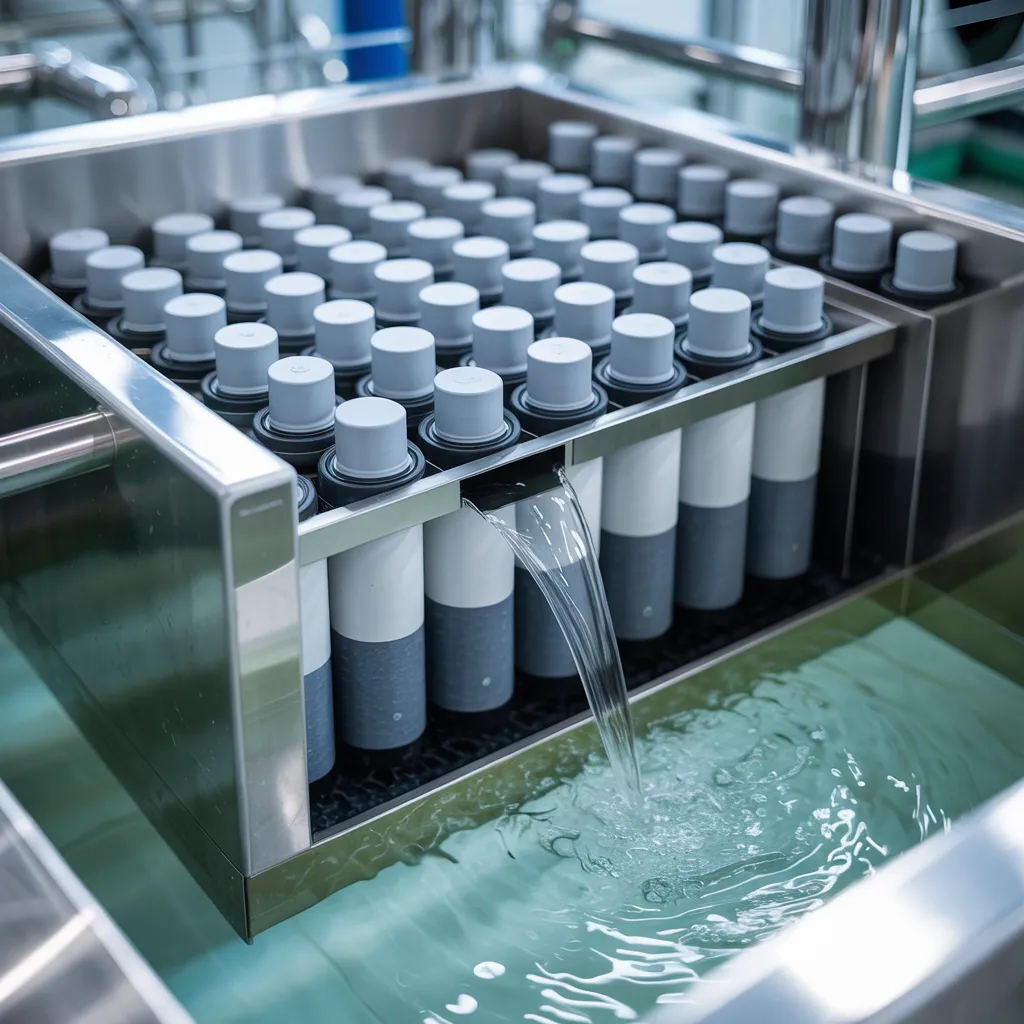
Hard Water Influence on Your Home and Health
Hard water can wreak havoc on both home systems and personal health. The presence of high mineral content, particularly calcium and magnesium, leads to scale buildup in pipes, appliances, and fixtures. This buildup not only reduces water flow but can also shorten the lifespan of water heaters and dishwashers, leading to costly repairs or replacements.
In terms of personal health, hard water can cause skin irritation and dryness, as the minerals disrupt the natural moisture balance. Additionally, it may worsen conditions such as eczema. Hair can become brittle and dull, fading in natural luster. The taste of hard water can also be off-putting, potentially leading individuals to consume less water, which is essential for hydration. Overall, the implications of hard water extend beyond inconvenience, affecting both the structural integrity of home systems and the well-being of its inhabitants.
Signs You Should Consider Getting a Water Softener
Is the water in a dwelling leaving behind unsightly marks and mineral deposits? This is often a strong indication that hard water is present, and it may be time to evaluate a water softener. Homeowners might also notice a decrease in soap lathering ability, with soap and detergents requiring more product to achieve desired results. Additionally, dry skin and dull hair can signal the effects of hard water, as minerals can strip moisture. Frequent buildup in appliances, such as dishwashers and water heaters, may lead to less efficient functioning and increased energy costs. If plumbing fixtures show signs of corrosion, the presence of hard water could be the factor. Finally, an unusual taste or odor in the water may further suggest the need for a water softening solution. Recognizing these signs can lead to a more wholesome and more efficient home environment.
Advantages of Putting in a Water Softener in Your Home
Installing a water softener can considerably enhance a home's overall quality of life, especially for those struggling with the negative effects of hard water. Hard water, containing minerals like calcium and magnesium, can produce scale buildup in plumbing, hampering water flow and augmenting maintenance costs. A water softener resolves these issues, enhancing the lifespan of appliances such as dishwashers and water heaters.
Additionally, treated water boosts the potency of cleaning products, producing more spotless plates and softer laundry. Hair and skin can also gain benefits, as conditioned water decreases dryness and irritation often caused by hard water minerals.
Furthermore, property owners may observe a reduction in soap scum and mineral deposits on faucets and showerheads, easing cleaning tasks. Overall, the installation of a water softener not only enhances comfort and convenience but also provides long-term savings and improved health for residents.
Why Skilled Water Softener Installation Makes a Difference
Professional water softener placement is important for various factors. Experts deliver technical understanding and skills that ensure the system is positioned correctly, employing suitable equipment. This not only boosts operation but also encourages long-term cost efficiency by lowering the likelihood of future complications.
Professional Understanding And Competencies
Navigating the challenges of water softener fitting requires a deep knowledge of plumbing systems and water chemistry. Professionals possess specialized knowledge that enables them to evaluate individual household needs efficiently. They are trained to identify the appropriate water softener model, ensuring consistency with existing plumbing. Their expertise extends to understanding local water quality and the specific minerals present, which aids in selecting the most effective treatment solution. Additionally, experienced installers are familiar with local codes and regulations, ensuring compliance and safety. This level of expertise minimizes the risk of issues such as leaks or inefficient operation, ultimately resulting in a more reliable and effective water softening system. Consequently, professional installation is crucial for ideal performance and longevity.
Right Equipment Configuration
Guaranteeing proper system setup is crucial for the peak operation of a water softener. Improper setup can cause inefficient functioning, creating insufficient water treatment and conceivable harm to plumbing systems. Professionals have the knowledge to examine the particular needs of a household, ensuring that the water softener is correctly sized and positioned. They comprehend local codes and regulations, which prevents legal issues and ensures adherence. In addition, seasoned installers can detect potential issues, such as poor drain work or inadequate power, before they become troublesome. By assigning installation to qualified professionals, homeowners can enjoy peace of mind, knowing that their water softening system will work properly and advance a better quality of life.
Long-Term Cost Efficiency
Proper equipment installation builds the foundation for long-term cost efficiency in water softener systems. When done correctly, these systems run at optimal performance, lowering energy needs and bringing down maintenance expenses. A well-operating water softener prevents mineral deposit formation in pipes and appliances, increasing durability and enhancing energy-saving capabilities. This not only lowers monthly utilities but also reduces the need for expensive repairs or replacements. Moreover, professional installation ensures the system is custom-fitted to specific requirements, preventing overconsumption of salt and water. Ultimately, investing in professional installation offers major financial savings, making it a wise choice for homeowners looking for both immediate and enduring financial gains.
How to Select the Best Water Softener for Your Home
When picking the best water softener for a home, what considerations should be evaluated to guarantee optimal performance? First, homeowners should assess their water hardness level, typically measured in grains per gallon, to determine the appropriate capacity needed. This information helps in choosing a unit that can efficiently process the household's water usage.
Next, the kind of water softener is crucial. Choices include salt-based, salt-free, and dual-tank systems, each providing different benefits. Homeowners should also consider the size and installation space accessible, as some systems require more room than others.
Energy efficiency is a noteworthy additional aspect; choosing a model with a high-efficiency rating can lead to lower operational costs. Finally, examining customer feedback and warranty options can provide insights into reliability and service quality. By considering these factors, homeowners can make an sound choice that best fulfills their needs and strengthens their home's water quality.
What to Expect During the Installation Process?
Setting up a water softener requires several important procedures that property owners should be ready for. First, a professional will evaluate the water infrastructure to pinpoint the ideal installation location, often close to the main water supply line. They will then turn off the water supply and flush the existing system. Next, the installer will link the water softener to the configuration, ensuring correct positioning and firm seals to prevent seepage.
After installing the unit, they will load the brine tank with salt and establish the system according to the exact water hardness levels. The technician will then execute a test run, examining for any complications or adjustments required. Once everything is running correctly, they will offer the complete info homeowner with a brief rundown of the system's maintenance procedures and maintenance. This thorough plan ensures that the installation is effortless, allowing homeowners to enjoy the benefits of softened water without trouble.
Suggestions for Sustained Service of Your Water Softener
When water softener installation is done, proper maintenance grows important for peak performance. Regularly monitoring and replenishing the salt in the brine tank proves crucial; this confirms the softener works at maximum efficiency. Users ought to monitor the salt level on a monthly basis to circumvent insufficient supply, which could weaken the system's performance.
Additionally, it is suggested to clean out the brine tank at least once annually to get rid of any sludge or impurities that may collect. Checking the resin beads for deterioration is also important; replacing them every 5 to 10 years can help sustain peak performance.
Ultimately, arranging yearly expert inspections can uncover any potential concerns early, guaranteeing the system operates smoothly. By following these maintenance recommendations, homeowners can prolong the lifespan of their water softener and enjoy the benefits of treated water for years to come.
Standard Questions Frequently Asked
How Much Will Expert Water Softener Installation Cost You?
Professional water softener fitting typically ranges from $500 and $2,500, determined by factors such as system type, installation complexity, and regional pricing. Homeowners should gather multiple quotes for correct budgeting and selection.
Is It Possible to install a Water Softener on Your Own?
Yes, people can set up a water softener on their own, as long as they have basic plumbing skills and tools. However, professional installation is suggested for ideal performance and to prevent potential issues during the installation process.
What is the length of the installation process timeline?
Setting up the system generally takes between two to four hours, depending on the difficulty of the plumbing and the type of system being installed. Good preparation and familiarity with plumbing can influence the overall time required.
Do Installed Water Softeners Include Any Guarantees?
Yes, numerous water softener systems once installed feature warranties that cover parts and labor. The coverage period and specifics differ based on manufacturer, so it's advisable to review specific warranty terms shared during the installation process.
What upkeep services Do experts provide Post-Installation?
Professionals usually provide service packages including regular system inspections, salt refilling, resin maintenance, and troubleshooting. They also deliver operational assessments and adjustments to ensure peak functionality and extended lifespan of the installed water softener system.